

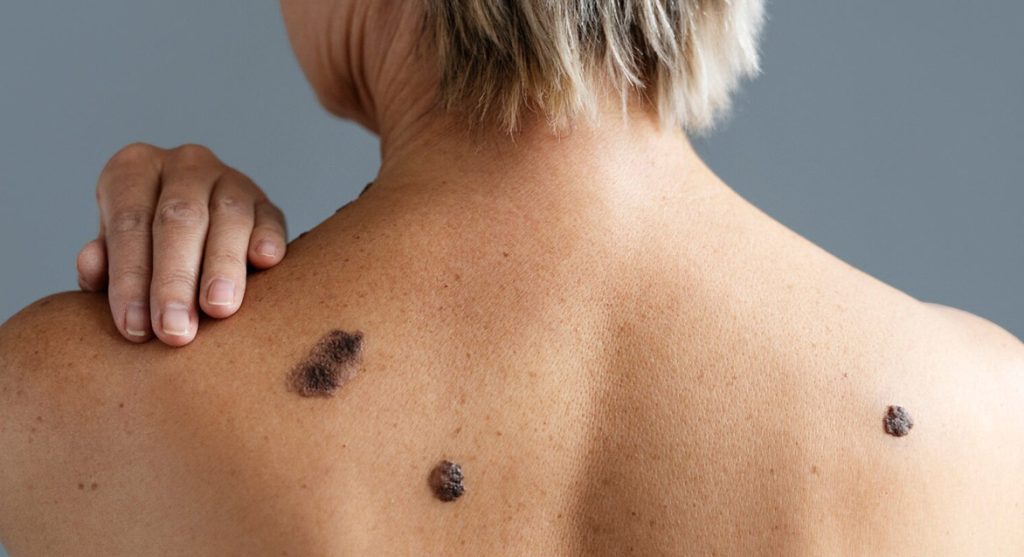
Skin Cancer Treatment
Skin cancers are characterized by abnormal cell growth in the skin and can present in various forms. The most common types include basal cell carcinoma (BCC), squamous cell carcinoma (SCC), and malignant melanoma. Each type of skin cancer exhibits different characteristics, and treatment methods are determined by the type of cancer, its size, extent of spread, and the patient’s overall health. Early detection and treatment of skin cancers are crucial in preventing cancer progression and maintaining the patient’s quality of life.
Basal Cell Carcinoma (BCC) Treatment: Basal cell carcinoma is the most frequently occurring type of skin cancer, typically appearing on sun-exposed areas of the skin. BCC grows slowly and rarely metastasizes. Treatment usually involves surgical methods to remove the cancerous tissue. Surgical excision is the most common treatment; in this method, the tumor is removed along with a margin of healthy tissue. Other techniques may include cryotherapy (freezing treatment), curettage and electrosurgery (scraping and burning), or Mohs micrographic surgery. Mohs surgery is especially applied in critical areas like the face, allowing for the tumor to be removed with minimal loss of healthy tissue.
Squamous Cell Carcinoma (SCC) Treatment: Squamous cell carcinoma is the second most common type of skin cancer, developing in sun-exposed skin and sometimes other areas. Treatment is generally surgical, but because SCC is more aggressive, early and complete removal of the tumor is critical. Mohs surgery is preferred for high-risk or superficial SCC cases. For larger or metastatic SCC cases, radiation therapy or chemotherapy may also be utilized in advanced stages.
Malignant Melanoma Treatment: Melanoma is the most dangerous type of skin cancer and originates from pigment-producing cells called melanocytes. Melanoma can be successfully treated with surgical intervention in the early stages. The fundamental approach to melanoma treatment is wide surgical excision of the tumor. If melanoma has spread deeper or to other areas of the body, immunotherapy, targeted therapy, and sometimes chemotherapy may be applied. Immunotherapy enhances the immune system to fight cancer cells, while targeted therapy focuses on the genetic mutations of the cancerous cells.
Radiation Therapy and Chemotherapy: When surgical intervention is not possible or when the tumor is in a more advanced stage, radiation therapy and chemotherapy become viable treatment options. Radiation therapy uses high-energy beams to destroy cancer cells and is often preferred as postoperative treatment. Chemotherapy involves the use of drugs to stop the growth and multiplication of cancerous cells.
Other Treatment Methods: Additional methods in the treatment of skin cancers may include photodynamic therapy (light therapy), topical chemotherapy creams, and immunomodulatory drugs. These methods are generally preferred for early-stage or superficial cancers.
Conclusion: Skin cancers can be effectively managed with various treatment options. The success rate of treatment is quite high for early-detected cases. Sun protection, regular skin checks, and timely evaluation of suspicious skin lesions are essential for preventing skin cancers and ensuring early treatment.