

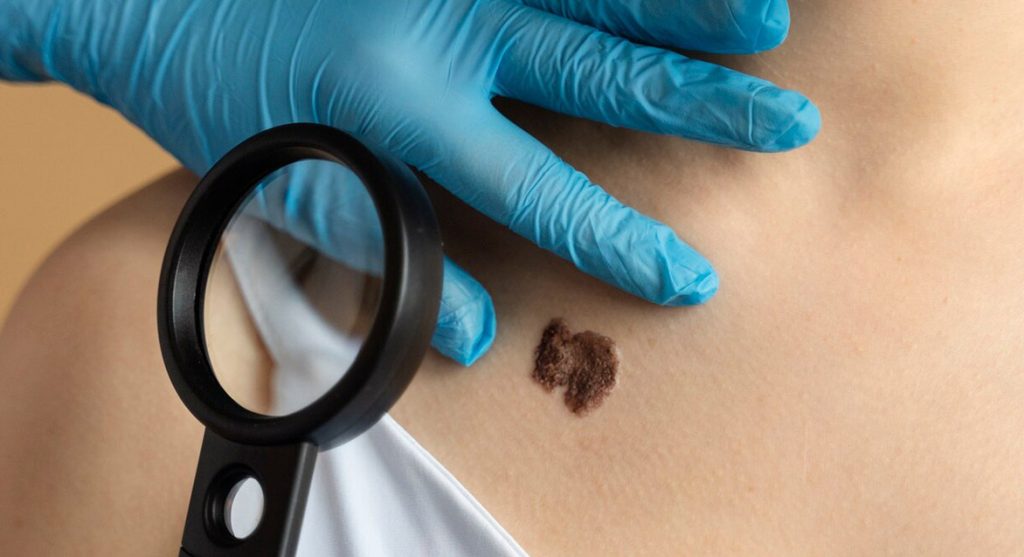
Malignant Melanoma Treatment
Malignant melanoma is one of the most aggressive and dangerous types of skin cancer. It originates from pigment cells called melanocytes, which give color to the skin. If not diagnosed early, melanoma can grow rapidly and spread to other parts of the body. Treatment for melanoma is generally quite successful in the early stages, but in advanced cases, the treatment process becomes more complex. The treatment of malignant melanoma varies depending on the stage of the disease, the size of the melanoma, whether it has spread beneath the skin, and whether metastasis has occurred.
Treatment Methods
Surgical Treatment: The most common and effective method for treating melanoma is surgery. In the early stages of melanoma, surgically removing the cancerous tissue is usually sufficient. The surgeon aims to remove the tumor along with healthy tissue surrounding it to prevent the spread of cancer. The likelihood of completely removing early-stage melanomas through surgical intervention is high. Additionally, the surgeon may perform a sentinel lymph node biopsy to check if the tumor has spread to the lymph nodes. If there is lymph node involvement, additional treatment methods may be necessary.
Immunotherapy: Immunotherapy is a treatment method that strengthens the body’s immune system to fight cancer cells. Malignant melanoma can respond well to immunotherapy drugs that are effective on the immune system. The drugs used in immunotherapy activate immune cells to target and destroy cancer cells. This method can be an effective treatment option, especially for advanced or metastatic melanoma cases. Immunotherapy can be applied after surgical intervention or used alone in metastatic cases.
Targeted Therapy: Targeted therapy focuses on specific genetic mutations that cause cancer cells to grow and spread. Melanoma patients with specific genetic mutations, such as BRAF or MEK, can benefit from drugs that target these mutations. These drugs inhibit the growth of tumor cells and halt the progression of cancer.
Chemotherapy: Chemotherapy is a method used less frequently in the treatment of melanoma, as immunotherapy and targeted therapies may provide more effective results. However, in some cases, chemotherapy may still be an option for advanced melanoma cases. Chemotherapy drugs, which kill cancer cells, are typically administered intravenously and act on rapidly dividing cells in the body.
Radiation Therapy: Radiation therapy is a treatment method that uses high-energy rays to destroy cancerous cells. Although melanoma is generally resistant to radiation therapy, it may be used in some cases for treating melanoma that has spread to lymph nodes or the brain. Radiation therapy is particularly preferred to alleviate pain or shrink tumors.
Conclusion
The treatment of malignant melanoma is personalized based on the stage of cancer and its spread. Early-detected melanoma cases can often be completely treated with surgical intervention, while advanced cases require immunotherapy, targeted therapy, and other methods. Regular skin checks and attention to risk factors are vital for the early detection of melanoma.